A water bill that suddenly climbs with no change in your habits is one of the clearest signs of a hidden leak. Here is how to confirm it with a simple meter test, find the source, and apply to Thames Water for a leak allowance to recover the extra cost.
Few things prompt a homeowner to investigate their plumbing faster than a water bill that has jumped for no obvious reason. If your usage has not changed, no extra people, no new appliances, no filling of a pool, but your metered Thames Water charges have climbed, the most likely explanation is that water is escaping somewhere you cannot see. A hidden leak can run for weeks or months, quietly adding to every bill and, worse, damaging the fabric of your home the whole time.
If the jump in usage came to you as a letter from the water company rather than as a bill, start with our guide to a Thames Water letter about high water usage, which covers the four-week repair rule that letter sets running.
This guide shows you how to confirm whether a high bill is caused by a leak, how to find the source, and how to apply to Thames Water for a leak allowance to recover some of the extra cost. We are an independent London leak detection company, not connected to Thames Water; the aim here is to help you turn a worrying bill into a clear plan of action.
Why a high bill usually means a leak
On a metered supply you pay for every litre that passes through the meter, whether it comes out of a tap or leaks out of a failed pipe. A hidden leak, a weeping joint under a floor, a pinhole in a heating pipe, a failing supply pipe in the garden, or a toilet that constantly runs, sends water through the meter around the clock. Because it runs continuously, even a small leak adds up to a surprisingly large volume over a billing period, which is why the first hint of many hidden leaks is the bill rather than any visible water.
A continuously running toilet is a particularly common and underestimated culprit: a worn flush valve that lets water trickle into the pan can waste hundreds of litres a day silently. Underground supply pipe leaks are another, because the water disappears into the ground and never shows indoors. The bill is doing you a favour by flagging the problem early, the trick is to act on it before the wasted water becomes serious structural damage.
The simple meter test to confirm a leak
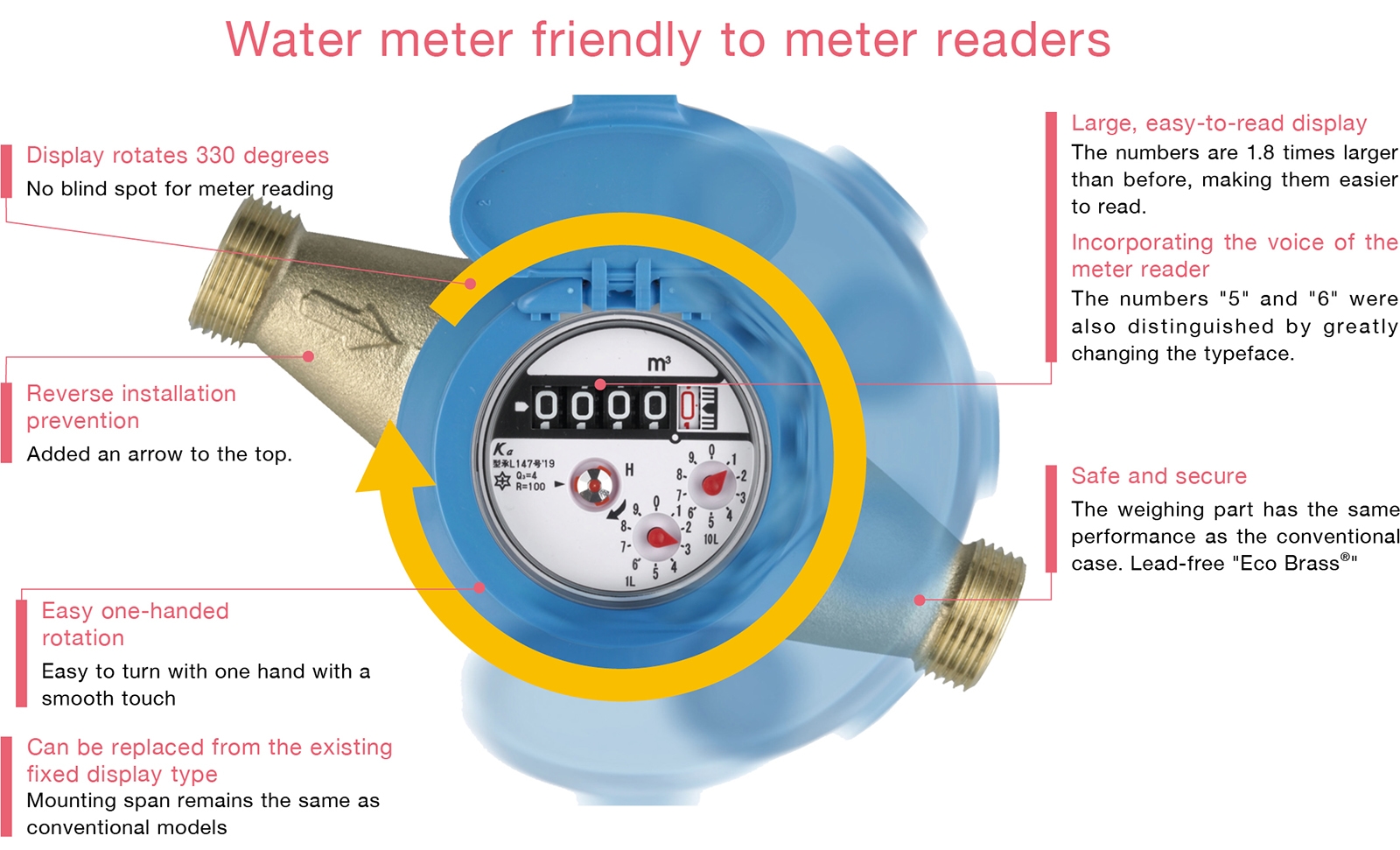
You can confirm a leak yourself in under an hour with your water meter. Turn off every tap, appliance and water-using device in the property, and make sure nothing is drawing water. Note the exact meter reading, including the small dials, and if your meter has a small leak-indicator dial or star, watch whether it is moving. Wait an hour or two without using any water, then read the meter again.
If the reading has changed, or the leak dial has moved, water is escaping somewhere on your side of the meter, you have a leak. If the reading is identical and nothing moved, your plumbing is holding, and the high bill may have another cause worth checking, such as a tariff change, an estimated reading, or a genuine change in usage you had not accounted for. For a fuller walkthrough, see our guide on how to read your water meter to check for a leak.
- Turn off every tap, appliance and water-using device.
- Note the exact meter reading and watch any leak-indicator dial.
- Wait an hour or two with no water use, then read again.
- Any movement means water is escaping on your side of the meter.
Where is the leak likely to be?
Once the meter test confirms a leak, the next question is where. Internal leaks show as damp patches, warm spots on the floor (from hot-water or heating pipes), a musty smell, or a boiler that keeps losing pressure. A constantly running or refilling toilet is easy to check by listening and by adding a little food colouring to the cistern to see if it seeps into the pan. Supply pipe leaks outside show as boggy or unusually green lawn patches, damp on a drive, or falling water pressure.
To narrow it further, close the outside boundary stop valve with the house water off: if the leak indicator stops, the escape is on your internal plumbing; if it continues, the leak is on the buried supply pipe between the boundary and the house. These checks point an engineer to the right area quickly, which shortens the detection visit and keeps costs down.
Finding it without tearing the house apart
Confirming that a leak exists is not the same as knowing exactly where it is, and guessing is expensive. A hidden leak can travel along pipe runs and joists before it shows, so the damp patch is rarely above the source. Professional detection uses non-invasive methods, pressure testing to isolate the affected circuit, acoustic listening for pressurised leaks, thermal imaging for hot-water and heating leaks, moisture mapping, and tracer gas as a fallback, to pinpoint the leak to a small area so the repair opens the smallest possible amount of floor or wall.
That precision matters as much for a high bill as for the damage, because the faster the leak is found and stopped, the sooner the meter stops running. Our detection is offered on a no find, no fee basis across all 32 boroughs, and we provide a written report of what was found and where, which, as the next section explains, is exactly what you need to claim some money back. See our leak detection pricing for how the fee is structured.
How to claim a leak allowance from Thames Water
If a hidden leak has inflated your metered usage, you may be able to recover some of the cost through a leak allowance. Water companies, including through leak allowance policies, commonly adjust or credit part of a bill where a genuine hidden underground or concealed leak has been repaired, subject to their conditions. It is generally not applied automatically, you have to apply, and they usually want evidence that the leak was real and has been fixed.
That is where your detection report and repair invoice do double duty: they document the leak for the allowance application and, if the escaping water damaged the property, they also support an insurance claim under escape of water and trace and access cover. The steps are simple: confirm the leak with the meter test, get it located and repaired, keep all the paperwork, then contact Thames Water to ask about their current leak allowance and how to apply. Acting promptly limits both the wasted water and the size of the bill you are trying to claw back.
How we help with this
If the article describes a problem you actually have, these are the visits that deal with it.
- leak detection in London
Finding a hidden leak without opening the property up first.
- our full guide to leak detection
How each method works, what it costs and when it is the wrong tool.
- a Thames Water leak notice
What the letter means and the four weeks it gives you.
Not sure which one applies? Describe the symptom on the phone and you will be told which survey it is, the hourly rate and roughly how long it takes, before anything is booked. 020 7123 8560
Frequently asked questions
Why has my Thames Water bill suddenly gone up?
On a metered supply the most common reason for a sudden rise with no change in usage is a hidden leak. Water escaping from a failed joint, a pinhole in a pipe, a leaking supply pipe or a constantly running toilet passes through the meter around the clock, adding up to a large volume over a billing period. Confirm it with a simple meter test before assuming anything else, though a tariff change or estimated reading are worth ruling out too.
How do I test my water meter for a leak?
Turn off every tap, appliance and water-using device so nothing is drawing water. Note the exact meter reading and watch any small leak-indicator dial. Wait an hour or two without using water, then read it again. If the reading changed or the dial moved, water is escaping on your side of the meter and you have a leak. If it is identical, your plumbing is holding and the high bill likely has another cause.
Can a running toilet really raise my bill much?
Yes. A toilet with a worn flush valve can trickle water into the pan continuously and silently, wasting hundreds of litres a day. Because it runs constantly, it adds up fast on a metered bill. Check by listening for a faint hiss or trickle, and by adding a little food colouring to the cistern to see whether coloured water seeps into the pan without flushing.
How do I know if the leak is inside or on the supply pipe?
With the house water off and a leak confirmed, close the outside boundary stop valve near the pavement. If the leak indicator stops, the escape is on your internal plumbing. If it keeps moving, the leak is on the buried supply pipe between the boundary and the house. This narrows the search area, which shortens the detection visit and keeps the cost down.
Can I get money back from Thames Water for a leak?
Often yes, through a leak allowance. If a genuine hidden or underground leak inflated your metered usage, Thames Water may credit or adjust part of the bill once the leak is repaired, subject to their conditions. It is usually not automatic, you apply and provide evidence the leak was real and fixed. Keep your detection report and repair invoice to support the application.
What does it cost to find the leak behind a high bill?
We work on a no find, no fee basis for detection and agree the hourly rate when you book, so you know the rate before anyone arrives rather than facing an open-ended bill. Any repair runs at the same hourly rate once the leak is pinpointed. Finding and stopping the leak quickly also stops the meter running, and a leak allowance may recover part of what the leak already cost you.