Going on Holiday? How to Leak-Proof Your Home Before You Leave
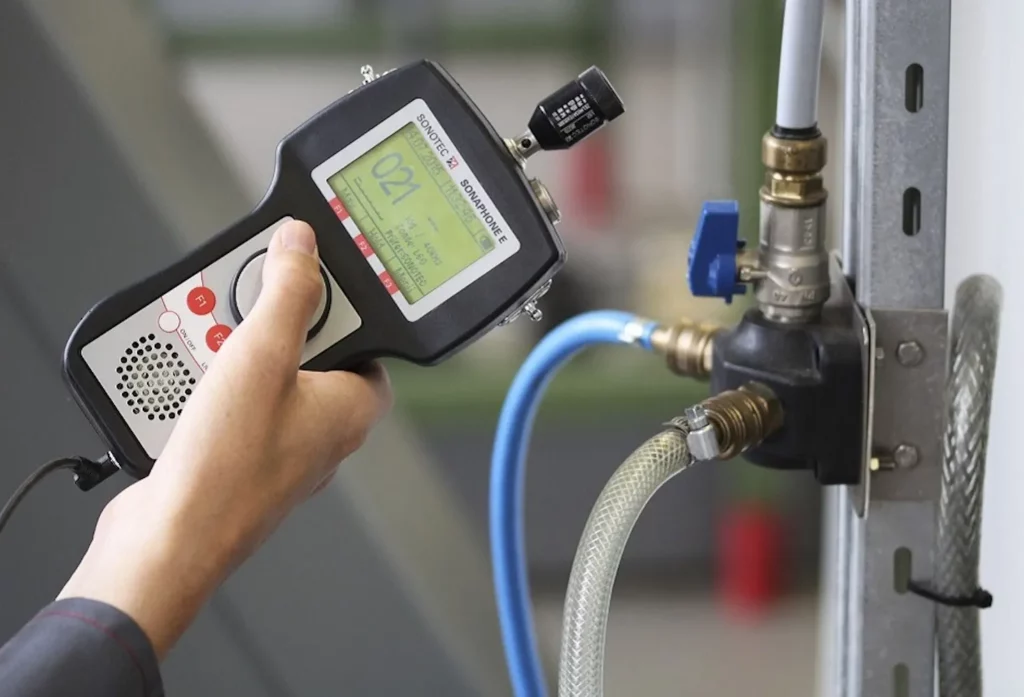
Coming home from a fortnight away to a soaked ceiling and warped floorboards is one of the most avoidable disasters a homeowner faces. Here is the calm, practical checklist to run through before you leave.
There are few worse ways to end a holiday than opening your front door to the smell of damp, a bulging ceiling and water quietly running somewhere it should not be. It happens more often than people think, and it almost always follows the same pattern: a small weakness that was already present under the sink or behind the washing machine finally gives way, and with nobody home to notice, a slow drip becomes a flood over ten or fourteen days.
The frustrating part is that this is one of the most preventable problems in the home. A leak that would have been a five-minute mop-up if you were in the house becomes a four-figure repair simply because nobody was there to turn a tap. This guide walks through a sensible pre-holiday routine that takes most people under an hour: ruling out a leak you already have, shutting off the water supply the right way, checking the parts most likely to fail, deciding whether a water leak detector is worth leaving behind, and understanding the small print in your home insurance that catches so many people out.
Step one: rule out a leak you already have
Before you think about switching anything off, it is worth confirming you are not already leaking. A slow, hidden leak will only get worse while you are away, and catching it now means you leave with genuine peace of mind rather than a nagging doubt.
The simplest home check is the water meter test. Turn off every tap and water-using appliance in the house, take a reading from your meter, wait a couple of hours without using any water, then read it again. If the numbers have moved with nothing running, water is escaping somewhere. Our step-by-step guide on how to read your water meter to check for a leak walks through exactly how to do this and how to interpret the dials.
Also worth a quick look before you pack: the pressure gauge on your combi boiler. If it keeps dropping and you find yourself topping it up, that can point to a leak somewhere on the heating circuit. And trust your senses around the usual suspects, under sinks, around the base of the toilet, behind the washing machine and around radiator valves. A musty smell, a warm patch on the floor near a heating pipe, or paintwork that is lifting are all worth investigating rather than ignoring on your way out the door.
If the meter test suggests something is escaping but you cannot see where, that is exactly the situation where a short, non-invasive leak survey before a long trip earns its keep. We cover how professional detection works later in this article.
Step two: turn off the water at the stopcock
This is the single most important action on the list. If the water is off at the mains, a failed hose or split joint has nothing to feed it. Your internal stopcock, sometimes called a stop tap, is usually found under the kitchen sink, but in London homes it can also live in a downstairs cloakroom, an airing cupboard, under the stairs or near the front door. It is a small valve on the pipe where the mains water enters your home.
To shut it, turn the handle clockwise until it stops. Then open a cold tap at the lowest point in the house, the kitchen is fine, and let it run until it slows to a trickle, which confirms the supply is genuinely off. If you have never located or operated yours, our guide on how to turn off your water stop tap in London explains where to look and what to do if the valve is stiff or seized, which is very common in older properties that have not had the stopcock touched in years.
What if you cannot turn the whole supply off?
There are legitimate reasons to leave the water on. You might have a combi boiler set to a frost-protection cycle, a smart heating system, a water-fed fridge with an ice maker, or a neighbour watering plants. If you need to keep the mains live, the next best thing is to isolate the highest-risk appliances individually.
Most washing machines and dishwashers have their own isolation valves on the supply pipes behind or beneath them, usually a small lever or a screw-slot valve. Turn these a quarter-turn so the lever sits across the pipe, and the appliance is isolated even with the mains on. The same applies to the flexible tails feeding basin and sink taps, which often have isolation valves fitted underneath. Isolating the appliances that fail most often gives you much of the protection of a full shut-off without disabling the whole house.
Step three: check the parts most likely to fail
A few minutes spent looking at the components that cause the most escape-of-water claims is time well spent. You are not carrying out a full plumbing inspection, just a visual once-over of the known weak points.
| What to check | What you are looking for | Why it matters |
|---|---|---|
| Flexible tap hoses (flexi-hoses) | Rust spots, bulges, fraying in the braided sleeve, damp or green residue at the fittings | These are a leading cause of sudden internal floods and typically last only a handful of years |
| Under-sink joints and valves | Water marks, corrosion, a persistently damp cupboard base | Slow weeps here go unnoticed for months and worsen while you are away |
| Washing machine and dishwasher hoses | Perished rubber, kinks, loose connections at both ends | Fed at mains pressure, a failure here empties fast |
| Radiator and heating valves | Rust streaks, damp patches, crusty white or green deposits | Small leaks can drop boiler pressure and stain floors below |
| Toilet base and cistern | Movement, pooling water, a constantly running fill valve | A running cistern wastes water and can point to worn internals |
Flexi-hoses deserve a special mention because they come up again and again in forum threads about unexpected floods. They are cheap, they are hidden, and they have a finite lifespan, often quoted as around five years, though many fail sooner or last longer depending on water quality and pressure. If yours look tired, corroded or you simply cannot remember when they were fitted, replacing them is a small job with a large payoff. As a typical UK trade cost-guide range, having a plumber swap a pair of flexi-hoses tends to fall somewhere in the region of eighty to a hundred and fifty pounds including parts, and it is the kind of job many confident DIYers take on themselves for the cost of the hoses alone.
Step four: drain the appliances that hold water
Washing machines and dishwashers hold water in their pumps and hoses even when switched off. On a long trip it is worth running a short empty cycle to clear them, then switching them off at the socket and, if you can, closing their isolation valves as described above. It is a small habit that removes a standing reservoir of water from behind two of the most flood-prone appliances in the house.
While you are at it, empty and switch off anything that fills or drips, including a swimming pool auto-fill, and make sure outside taps are turned off at their internal isolation valve if you have one, particularly heading into winter.
Step five: winter trips need extra thought
Cold-weather holidays add frozen pipes to the list of risks. When water freezes it expands, and a pipe that splits while frozen will happily flood the house the moment it thaws, often days after the cold snap that caused the damage. This is one of the most common causes of serious escape-of-water claims in the UK winter.
The standard advice, echoed consistently across home-owning communities, is not to switch the heating off entirely for a winter absence. Instead, leave it running on a low frost setting, many thermostats have a dedicated frost-protection or holiday mode, or set the thermostat to a modest temperature such as around twelve to fifteen degrees so the property never gets cold enough for pipes to freeze. This matters twice over, because as we will see, leaving an unoccupied home unheated in winter can also give your insurer grounds to reduce or refuse a claim.
If you are draining the system down completely for a long winter absence, that is a more involved job and best discussed with a plumber, but for most fortnight-long trips, a frost setting plus the water off at the stopcock is the pragmatic combination.
Step six: a keyholder and a water leak detector
Technology helps, but a trusted human is still the best flood alarm. Ask a neighbour, friend or family member to pop in every few days, or at least once, to look, listen and smell for anything amiss. Leave them a key, show them where the stopcock is and how to turn it off, and give them a way to reach you.
A smart water leak detector that sits on the floor by the washing machine or under the sink and sends an alert to your phone is increasingly affordable and genuinely useful, but it only helps if someone can act on the alert. A sensor that pings your phone while you are on a beach two thousand miles away is only as good as the neighbour who can respond to your call. The two together, a detector plus a keyholder, are a strong combination.
Step seven: know your insurer's unoccupied-property terms
This is the step people most often skip, and the one that turns a bad situation into a genuinely expensive one. Home insurance policies frequently contain conditions about properties left unoccupied, and a leak discovered on your return can be reduced or declined if you did not meet them.
Two conditions come up repeatedly. The first is a time limit: many policies define a property as unoccupied after a set number of consecutive days, commonly around thirty to sixty, after which cover may change or lapse unless you have told your insurer. A two-week holiday is usually well inside this, but longer trips, second homes and properties between tenancies are exactly where people get caught. The second is the seasonal condition: many policies require that during colder months you either keep the heating on at a minimum temperature or drain the water system down. Leave the property cold with the water on over winter, suffer a burst pipe, and the insurer may argue you failed to meet the policy terms.
| Typical policy condition | What it often requires | What to do before you go |
|---|---|---|
| Unoccupancy period | Cover may change after a set number of consecutive days away | Check the limit and notify your insurer for longer trips |
| Winter heating clause | Keep heating on at a minimum temperature, or drain the system | Leave heating on a frost setting for winter absences |
| Reasonable care | Take sensible steps to prevent loss | Turn off the water, check hoses, arrange a keyholder |
The exact numbers and wording vary between insurers, so the honest advice is not to rely on any single figure quoted online but to read your own policy documents or ring your provider and ask directly what they require for the length and season of your trip. It is a five-minute phone call that can be the difference between a claim paid and a claim refused.
Your pre-holiday leak-proofing checklist
- Run the water meter test to confirm you do not already have a slow, hidden leak.
- Check the boiler pressure gauge and look under sinks, behind appliances and around toilets for damp patches or musty smells.
- Locate your stopcock and turn the water off at the mains, then run a tap to confirm the supply is truly off.
- If you must leave the water on, close the isolation valves to the washing machine, dishwasher and high-risk taps.
- Inspect flexi-hoses and visible joints for rust, bulges, fraying or damp, and replace anything that looks tired.
- Run a short empty cycle to drain the washing machine and dishwasher, then switch them off at the socket.
- For winter trips, leave the heating on a frost setting rather than switching it off entirely.
- Give a neighbour a key, show them the stopcock, and leave them your contact details.
- Read your insurance policy's unoccupied-property and winter-heating conditions, and call your insurer if anything is unclear.
When a quick leak survey before a long trip makes sense
If the meter test hints at water escaping but you cannot find the source, or you are heading off for several weeks and want certainty rather than a nagging doubt, a short professional leak survey is worth considering. Modern leak detection in London is non-invasive: acoustic listening equipment, thermal imaging and tracer methods let an engineer pinpoint a hidden leak without ripping up floors or knocking through walls on spec. The goal is to find the exact spot first, so any repair is targeted and minimal.
We work on a no find, no fee basis, which means the survey itself carries no risk to you: if there is genuinely nothing to find, you have not paid for a fruitless dig, and you leave for your holiday knowing the meter test result was a false alarm rather than a warning you ignored. As a general guide, a professional survey costs a fraction of what a single serious escape-of-water repair runs to, and the peace of mind ahead of a long absence is often the deciding factor for people who book one.
None of this is about paranoia. It is about spending an hour on sensible preparation so that the worst that can happen while you are away is a slightly dusty return, rather than a soaked ceiling, warped floors and a fight with your insurer. Turn the water off, check the hoses, keep the heat ticking over in winter, and let someone keep an eye on the place. Then go and enjoy your holiday.
How we help with this
If the article describes a problem you actually have, these are the visits that deal with it.
- our full guide to leak detection
How each method works, what it costs and when it is the wrong tool.
- home leak detection
Flats and houses, at £160 an hour agreed before we travel.
Not sure which one applies? Describe the symptom on the phone and you will be told which survey it is, the hourly rate and roughly how long it takes, before anything is booked. 020 7123 8560
Frequently asked questions
Should I turn the water off at the stopcock even for a short weekend away?
For a single night or a weekend it is a judgement call, but for anything from a few days upwards it is sensible and costs you nothing. The main downside is a boiler that relies on a water feed for frost protection, or an appliance you want left running. If you cannot turn the whole supply off, isolate the highest-risk appliances such as the washing machine and dishwasher instead. For longer trips, turning off the mains is the single most effective thing you can do.
I turned off my stopcock but water still runs from the tap. Why?
A small amount of water will always run out as the pipes drain down after you close the valve, so a brief trickle is normal and should slow to nothing within a minute or so. If water keeps flowing steadily, the stopcock may be worn or not fully closing, which is common in older London homes where the valve has not been turned in years. In that case, isolate appliances individually and consider having the stopcock serviced or replaced before your next long trip.
How long can a flexi-hose last before it should be replaced?
Flexible braided hoses are often quoted as lasting around five years, though the real figure depends on water pressure, water hardness and quality of the hose. The honest position is that there is no exact expiry date, so the practical approach is to inspect them: any rust spots, bulging, fraying of the braid or damp residue at the fittings means it is time to replace. If you cannot remember when they were fitted, they are cheap enough that swapping them for peace of mind is rarely a bad decision.
Will my home insurance cover a leak that happens while I am on holiday?
Usually yes for a normal holiday, but it depends on your policy's conditions. Many policies define a property as unoccupied after a set number of consecutive days, commonly somewhere around thirty to sixty, after which cover can change unless you have told your insurer. Many also have a winter condition requiring you to keep the heating on at a minimum temperature or drain the system. The safest approach is to read your own policy or phone your insurer and ask what they require for the length and season of your trip.
Should I leave the heating on when I go away in winter?
For a winter absence the widely shared advice is to leave the heating on a low frost setting rather than switching it off entirely. Many thermostats have a dedicated frost-protection or holiday mode, or you can set a modest temperature such as around twelve to fifteen degrees so pipes never freeze. This protects against burst pipes and also helps you meet the winter-heating conditions many insurers include in their policies.
Is it worth getting a leak survey before a long trip?
It can be, particularly if a water meter test suggests you are already losing water but you cannot find the source, or if you are away for several weeks and want certainty. A professional survey uses non-invasive methods such as acoustic listening and thermal imaging to pinpoint a hidden leak without damage. Because we work on a no find, no fee basis, there is no risk in checking: either an issue is found and can be fixed before you leave, or you go on holiday knowing there was nothing to worry about.