Leak Detection Specialist vs a Regular Plumber: What's the Difference?
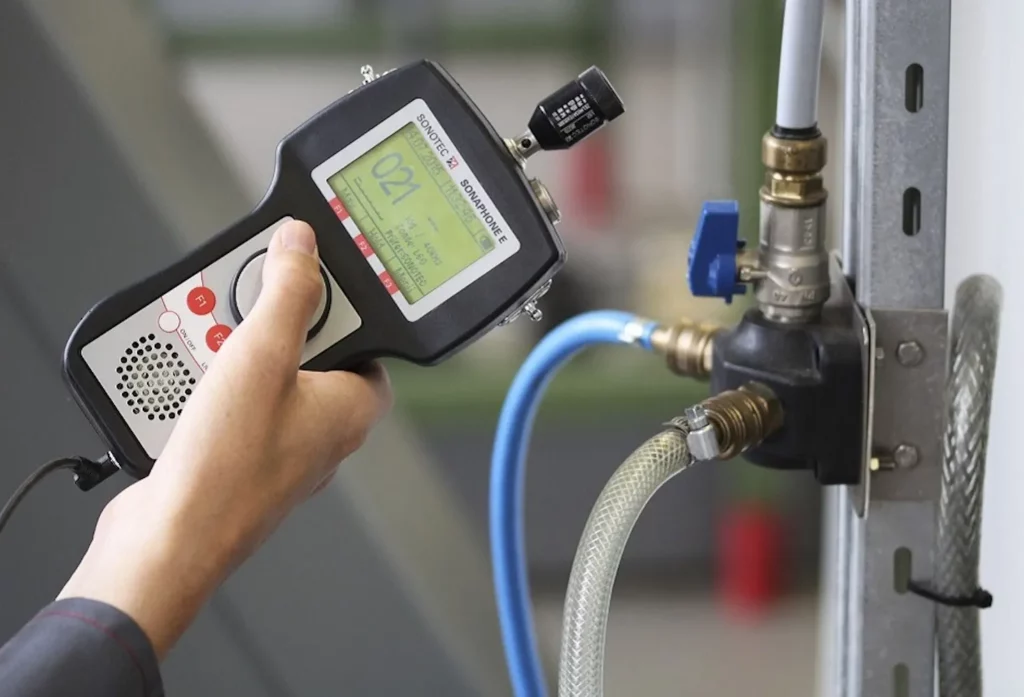
A general plumber and a leak-detection specialist are not the same trade, even though the skills overlap. Here is when each one is the right call, why sending a plumber to hunt a hidden leak can lead to speculative digging, and how the two work together.
If you have a leak somewhere in your home, one of the first questions you face is who to actually ring. A plumber? An emergency plumber? A water leak detection company? At first glance these all sound like the same job, and in some cases the same person can do all of it. But there is a real difference between a general plumber and a leak-detection specialist, and knowing which one you need can save you a great deal of money, mess and time.
This guide sets out the honest version. It is not a case of one trade being better than the other. A good plumber is worth their weight in gold, and most leaks in most homes are perfectly straightforward jobs that a plumber will handle in an afternoon. The distinction matters only for a specific type of problem: the hidden leak, where water is escaping somewhere you cannot see it and nobody yet knows exactly where the source is.
The short version: overlapping trades, different specialisms
Think of it the way you would think of a GP and a specialist consultant. Your GP handles the overwhelming majority of what walks through the door, and refers on to a consultant when the problem needs particular equipment or expertise. Plumbing works in much the same way.
A general plumber is trained to install, repair and maintain the pipework, fittings and appliances in a property. They fix visible leaks, replace failed joints, swap out valves and cylinders, deal with taps, toilets and radiators, and carry out the day-to-day repairs that keep a home running. When you can see the water and reach the pipe, this is exactly the person you want.
A leak-detection specialist is trained to find leaks that are hidden, where the escaping water is not at the point where it is coming out. That sounds like a small distinction, but it changes the whole nature of the job. Finding a hidden leak is a diagnostic discipline of its own, with its own equipment and its own methods, and it is quite separate from the repair work that follows.
At London Leak Specialist, our engineers are both. They are qualified plumbers who also specialise in non-invasive leak detection, which means the same person can trace a hidden leak and, in many cases, carry out the repair once it is found. But it is worth understanding the two roles separately, because that is what tells you who to call.
When a general plumber is all you need
For a large share of household leaks, a general plumber is the correct and most cost-effective choice. If your problem falls into one of these categories, you probably do not need a specialist:
- The leak is visible. You can see water dripping, spraying or pooling, and you can see roughly where it is coming from.
- The pipe is accessible. The leak is on exposed pipework under a sink, behind a washing machine, at a visible joint, or somewhere a plumber can get a spanner on it without opening up the fabric of the building.
- A fitting or appliance has failed. A dripping tap, a leaking toilet cistern, a weeping radiator valve, a failed flexible hose or a worn washer are all standard plumbing repairs.
- The source is obvious. You know the isolation valve to turn off and the leak stops, which confirms where it is.
In these situations, calling a leak-detection specialist would be over-engineering the problem. There is nothing to detect. The source is in plain sight, and what you need is a competent pair of hands to fix it. If it is out of hours or the water will not stop, an emergency plumber in London is the right first call to make the property safe and carry out the repair.
When you need a water leak detection specialist
The picture changes completely when water is escaping but you cannot tell where from. This is the classic hidden leak, and it is where a general plumbing call-out often struggles. You need a specialist when:
- There is damage but no visible source. A damp patch on a ceiling, a wall that is wet to the touch, a spreading stain or a musty smell, with no obvious leaking pipe or fitting anywhere nearby.
- The leak is under the floor. Water is escaping beneath floorboards, tiles, screed or a solid concrete floor, where you cannot see or reach the pipe.
- The leak is underground. The supply pipe running from the boundary into your home is losing water below ground, which often shows up as an unexplained rise in your water bill or a damp area outside.
- Heating pressure keeps dropping. A sealed central-heating system that repeatedly loses pressure usually has a leak somewhere in the pipe circuit, frequently buried in a floor or wall.
- Your water meter moves with everything off. If the meter ticks over when no taps or appliances are running, water is going somewhere it should not.
- Your insurer needs a report. Escape-of-water claims almost always require a proper diagnosis of the source before the insurer will authorise the repair and any drying or reinstatement work.
In all of these cases, the defining feature is uncertainty about the source. That uncertainty is exactly what specialist equipment and method are designed to remove. For a full picture of what is involved, our page on leak detection in London sets out how we approach these jobs.
The real risk: sending a plumber to 'find' a hidden leak
Here is the part that most homeowners only learn the hard way. A general plumber is superb at fixing a leak once you know where it is. But finding a genuinely hidden leak is a different skill, and without detection equipment the only way to find it is to start opening things up and looking.
That means lifting floorboards, pulling up tiles, chasing out plaster, or in the worst cases breaking into a solid floor, based on an educated guess about where the water is coming from. Sometimes the guess is right. Often it is not, because water rarely appears where it escapes. It travels along joists, runs under screed, follows the fall of a floor and emerges several metres from the actual fault. Chase the damp patch and you can end up excavating the wrong spot entirely, then moving on to the next guess.
This speculative approach is not a criticism of the plumber. It is simply what happens when you ask someone to locate a hidden fault without the tools to see it. The result can be a series of exploratory holes, a much larger repair bill for making good all the damage, and a home in disarray, all before the real leak is even found. This is the single biggest reason the leak-detection specialism exists.
The equipment and training that differ
The gap between the two roles is clearest when you look at the kit. A general plumber carries the tools to repair pipework. A leak-detection specialist carries an additional armoury designed to locate water without breaking anything open. The typical methods include:
- Thermal imaging cameras that reveal temperature differences across a surface, showing the cool track of an escaping cold-water pipe or the warm trace of a heating leak beneath a floor.
- Acoustic listening equipment sensitive enough to pick up the sound of water escaping under pressure through a floor or wall, and to pinpoint it by comparing the signal at different points.
- Tracer gas, a safe gas mix introduced into the pipe that rises to the surface at the exact point of the leak, where a detector picks it up. This is particularly effective for underground and under-floor pipes.
- Moisture meters and hygrometers that map how far damp has spread and help distinguish an active leak from historic staining or condensation.
- Pressure testing that isolates sections of pipework to confirm which circuit is losing water before any detection begins.
- Pipe and cable location to map where services actually run beneath a surface, so nothing is opened up blindly.
Just as important as the equipment is the training to use it and interpret the results. Thermal images can be misread, acoustic signals can be masked, and a single method on its own can point in the wrong direction. This is why a proper specialist works with several methods together, cross-checking one reading against another before committing to a conclusion. If you want the detail of how each technique works and when it is used, we explain it in how leak detection works: methods explained.
How the two trades work together
None of this makes the leak-detection specialist a replacement for the plumber. In practice the two roles are two halves of the same job, and they are meant to run in sequence.
Detection comes first: pinpoint the source with the least possible disruption. Repair comes second: expose only the small, confirmed area where the fault actually is, fix the pipe or fitting, and make good. Done in that order, the amount of the building you have to open up is a fraction of what speculative digging would have cost, and the repair is done once, in the right place.
The reason our engineers are qualified in both is precisely so that this handover does not fall through the cracks. When one person can locate the leak and carry out the repair, you avoid the common frustration of a detection company that finds the leak but does not fix it, or a plumber who fixes what they were pointed at without confirming it was the real source. It also means that on many jobs the whole problem, from unexplained damp to completed repair, is resolved in a single visit.
Scenario guide: who to call
| Your situation | Who you need | Why |
|---|---|---|
| Dripping tap or leaking toilet cistern | General or emergency plumber | Source is visible and the fix is a standard repair |
| Burst pipe under the sink, water everywhere | Emergency plumber | Make safe and repair the visible, accessible leak |
| Damp patch on ceiling, no visible source | Leak-detection specialist | Water travels; the source is rarely above the stain |
| Boiler pressure keeps dropping | Leak-detection specialist | Hidden leak in the heating circuit needs tracing |
| Unexplained rise in your water bill | Leak-detection specialist | Likely an underground supply-pipe leak |
| Wet solid floor, no idea where from | Leak-detection specialist | Avoids breaking up the whole floor on a guess |
| Insurer wants proof of the source | Leak-detection specialist | Claims need a proper report before authorising work |
| Radiator valve weeping onto the floor | General plumber | Fitting has failed and can be reached directly |
What it typically costs
Costs vary with the property, the type of leak and where you are, so treat the following as typical UK trade cost-guide ranges rather than a quote. A standard plumbing repair for a visible leak, such as a failed joint, valve or flexible hose, commonly falls somewhere in the region of a call-out charge plus an hour or two of labour, often in the low hundreds of pounds including parts.
Professional leak detection for a hidden leak generally sits in a higher band, reflecting the specialist equipment and diagnostic time involved, and cost guides usually place it in the mid-hundreds. The figure to weigh it against is not zero, but the cost of speculative excavation: lifting floors, chasing walls and reinstating them can easily exceed the detection fee several times over if the first few guesses miss. Spending on an accurate trace first is usually the cheaper route overall.
How we work
To keep this honest, here is our own positioning rather than a claim about the trade in general. Our engineers are qualified plumbers who also specialise in leak detection, so one visit can cover both finding and fixing. We use a non-invasive, multi-method approach, combining thermal imaging, acoustic and tracer-gas techniques rather than relying on a single reading, so we pinpoint the source before anything is opened up.
We work on a no-find, no-fee basis, which means if we cannot locate the leak you are not charged for the detection. The hourly rate is fixed and agreed at the point of booking, so there is no meter running and no surprise on the invoice. Where the leak relates to an insurance claim, we provide an insurer-ready report documenting the source and findings, which is usually what your insurer needs before authorising repair and reinstatement.
Choosing the right call
The decision comes down to one question: do you know where the water is coming from? If you can see the leak and reach the pipe, a general or emergency plumber is the sensible, economical choice, and there is no need to pay for detection you do not require. If water is appearing with no clear source, or it is under a floor, underground, or tied to a heating system that keeps losing pressure, that is the moment to bring in a leak-detection specialist before anyone starts opening up the building.
Get that first call right and the rest of the job tends to follow smoothly. Get it wrong and you risk paying twice: once for the exploratory damage and again for the eventual repair. When in doubt, a specialist who is also a qualified plumber can make the assessment without committing you to invasive work, which is the safest way to protect both your home and your budget.
How we help with this
If the article describes a problem you actually have, these are the visits that deal with it.
- our full guide to leak detection
How each method works, what it costs and when it is the wrong tool.
- leak detection in London
Finding a hidden leak without opening the property up first.
- an emergency plumber in London
Attendance when water is running and damage is still spreading.
Not sure which one applies? Describe the symptom on the phone and you will be told which survey it is, the hourly rate and roughly how long it takes, before anything is booked. 020 7123 8560
Frequently asked questions
Is a leak-detection specialist just a plumber with a fancier name?
No. The skills overlap, but they are distinct specialisms. A general plumber installs and repairs pipework and fittings, which covers the vast majority of visible, accessible leaks. A leak-detection specialist is trained and equipped to find hidden leaks where the source is unknown, using thermal imaging, acoustic and tracer-gas methods. Our engineers happen to be qualified in both, so they can find and fix in one visit, but the two roles are genuinely different jobs.
Can't my regular plumber just find the hidden leak?
They can try, but without detection equipment the only way to locate a hidden leak is to start opening up floors and walls based on where the damp shows. Water usually escapes some distance from where it appears, so this often means several exploratory holes before the real source is found. That speculative approach can cost more in making good the damage than the leak repair itself, which is why specialist detection exists.
How do I know if my leak is hidden or not?
Ask yourself whether you can see the water and reach the pipe. If a tap drips, a hose fails or a joint weeps somewhere you can get to it, the leak is visible and a plumber is all you need. If you have damp patches, a musty smell, falling boiler pressure, an unexplained water bill or a wet floor with no obvious source, the leak is hidden and needs detection first.
Will my insurer accept a water leak detection report?
Most escape-of-water claims require a documented trace of the leak's source before the insurer will authorise repair and drying work. We provide an insurer-ready report that sets out the source and our findings, which is usually exactly what the claim needs. A standard plumbing invoice for a repair does not normally contain the diagnostic detail insurers ask for.
What does 'no find, no fee' actually mean?
It means that if we carry out detection and cannot locate the leak, you are not charged the detection fee. In practice a genuine leak leaves evidence that our multi-method approach is designed to find, but the principle removes the risk of paying for an inconclusive visit. The hourly rate itself is fixed and agreed when you book, so you know the rate up front.
Is leak detection worth the cost compared with just fixing it?
When the source is unknown, yes, usually. Detection typically sits in a mid-hundreds cost-guide range, but the alternative is speculative excavation, where lifting and reinstating floors and walls on a guess can run to several times that figure if the first attempts miss. Paying for an accurate trace first means only the confirmed area is opened up, so the overall job tends to be cheaper and far less disruptive.