Smart Water Meter Showing High or Continuous Usage? What to Check
A smart or AMR water meter that reports continuous flow or steady overnight usage is one of the clearest early warnings of a hidden leak. Here is how to read the data, run a proper overnight test, rule out innocent causes, and know when to bring in non-invasive detection.
Smart and automated meter reading (AMR) water meters have quietly become one of the most useful early-warning tools a London household has. Where an old dial meter only told you a number when you crouched down to read it, a smart meter logs your consumption at regular intervals and can flag patterns you would never spot yourself. The one pattern that tends to worry people most is continuous usage: water moving through the pipe at times when nobody is using anything. If your account or in-home display is showing high overnight readings, a constant background flow, or a persistent alert for continuous consumption, it is worth taking seriously. The same data is what prompts a Thames Water letter about high water usage, and that letter carries a four-week repair deadline. In most cases it points to something losing water somewhere in your property, and the sooner you understand what the meter is telling you, the cheaper and less disruptive the fix tends to be.
This guide explains how smart and AMR meters detect continuous flow, what a steady baseline usually means, how to use the data yourself to confirm whether you have a genuine leak, the common innocent explanations that trip people up, and the point at which professional leak detection becomes the sensible next step.
How smart and AMR water meters flag continuous usage
A traditional water meter measures the total volume that has passed through it since installation. A smart or AMR meter does the same thing but takes readings automatically and frequently, often hourly, and transmits them back to the water company. Because there is a timeline of readings rather than a single cumulative figure, the meter and the software behind it can look at the shape of your consumption rather than just the total.
The key insight is that normal household water use is bursty. You run a tap, flush a toilet, take a shower, run the washing machine, then stop. Between those events, usage should drop to zero. When the data shows water moving in every single reading interval, hour after hour, including through the night when the house is asleep, that is what the systems label continuous flow or continuous usage. Many suppliers, including Thames Water and others operating across London, surface this as a continuous-use alert or a leak alert on your online account, and they often base it on a run of consecutive intervals with no reading of zero.
It is important to understand what the alert is and is not. It is a signal that water has not fully stopped over a sustained period. It is not, on its own, proof of a burst pipe or a definite fault. A dripping overflow, a slow-filling cistern, or even a water-softener regenerating on a cycle can all keep the needle moving. The value of the alert is that it tells you where to look, and the overnight data lets you turn suspicion into something much closer to certainty.
What a constant baseline usually means
When people describe a steady baseline, they usually mean a small but persistent rate of consumption that never returns to zero. Picture the overnight period from around midnight to 5am, when nobody is drawing water on purpose. On a healthy property, cumulative consumption across those hours should be flat or very nearly flat. If instead it climbs steadily, you have a continuous loss, and there are only a handful of usual explanations.
- A hidden leak on the supply or internal pipework. This is the outcome that leak-detection exists to address. A pinhole in a buried pipe, a weeping joint under the floor, or a failed connection inside a wall can bleed water continuously without ever showing on the surface. The loss is often small enough that you never see damp for months, which is exactly why the meter catches it first.
- A running toilet or overflowing cistern. This is by far the most common innocent-looking culprit and can waste a startling amount of water. A worn flush valve or a faulty float allows water to trickle from the cistern into the pan continuously, or to run out through an overflow. It is quiet, easy to miss, and can account for a very large continuous figure on its own.
- A dripping supply fitting or a passing valve. A tap that never quite shuts off, a garden or outside tap, a mains-fed appliance valve that passes, or a slowly leaking stop tap can all keep water moving at a low rate.
The reason the constant-baseline pattern is so useful is that a genuine leak does not take breaks. Human use stops; a leak does not. So the overnight window becomes a controlled test where the only water that should be moving is water that should not be moving at all.
Using the meter data to confirm a leak: the overnight test
You do not need any special equipment to run a reliable overnight test. You can do it with the meter itself, with your smart meter's in-home display, or with the interval data on your water company's online account. The principle is simple: isolate the property from deliberate use, then see whether water still moves.
- Pick a quiet window. The last thing at night, once everyone has finished using water, is ideal. Make sure no appliance is mid-cycle: no dishwasher, washing machine, water softener regeneration, or automatic irrigation timer due to run.
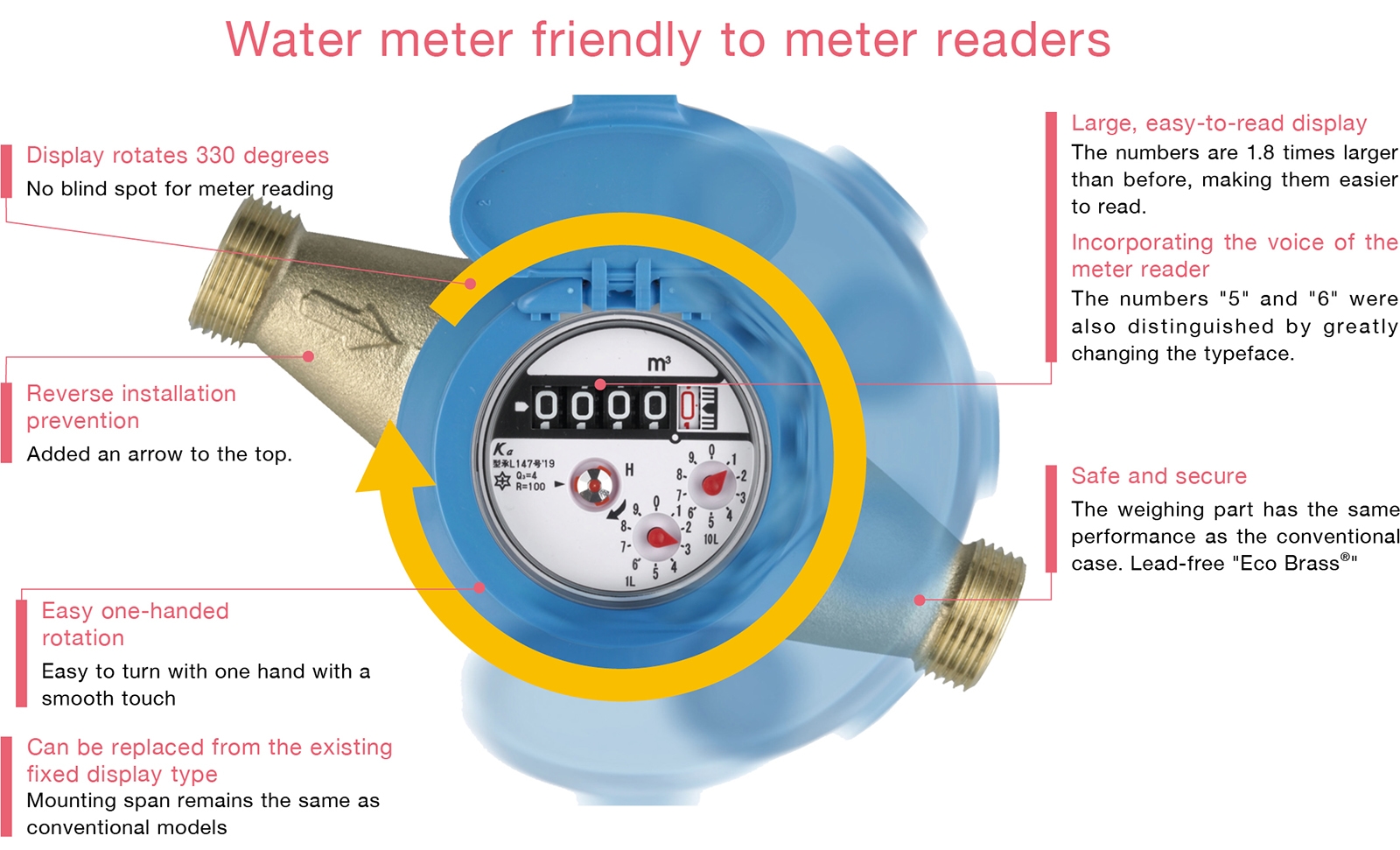
- Take a precise reading. Note the full reading on your meter, including the small red or black decimal dials that measure fractions of a litre. If you are using the online account, note the exact figure and time. For help locating and reading yours, see our guide on how to read your water meter to check for a leak.
- Do not use any water overnight. Avoid flushing toilets, and be aware that any automatic top-up, such as a toilet cistern refilling after a late flush, will affect the result.
- Read the meter again in the morning, before anyone uses water. Compare the two figures. If the reading has moved at all, water passed through the meter while the house was idle, which strongly suggests a continuous loss somewhere on your side of the meter.
For an even clearer result, you can repeat the test with the internal stop tap turned off. Take a reading, close the internal stop tap that isolates the house, wait, and read again. If the meter still moves with the internal stop tap closed, the loss is likely between the meter and the stop tap, which typically means the underground supply pipe. If the meter stops moving only once the stop tap is closed, the loss is inside the property. This single distinction narrows the search enormously and is one of the first things a professional will establish. If you have watched the dial itself creeping round with everything off, our explainer on why is my water meter spinning walks through what that movement means.
Reading pattern to likely cause
The shape of the data usually points towards a category of cause before anyone lifts a floorboard. The table below maps common smart-meter patterns to what they typically indicate. Treat it as a guide to where to look first, not a diagnosis.
| What the meter data shows | Most likely cause | Sensible first check |
|---|---|---|
| Small, steady flow every hour including overnight, never reaching zero | Hidden leak, running toilet, or passing valve | Run the overnight test, then isolate toilets and check cisterns |
| Continuous overnight loss that stops when the internal stop tap is closed | Leak inside the property (pipework, appliance, or fitting) | Isolate appliances one at a time; inspect visible pipe runs and under sinks |
| Continuous loss that persists even with the internal stop tap closed | Leak on the underground supply pipe between meter and house | Non-invasive supply-pipe detection; check for damp patches or lush grass along the pipe run |
| Higher-than-usual daytime baseline with clear overnight zero | Innocent: appliance cycles, water softener, irrigation, or heavy usage | Review appliance schedules and softener regeneration timing |
| Sudden step change to a high constant rate | New or worsening leak, or a stuck-open valve | Overnight test urgently; check for audible running and any new damp |
| Intermittent spikes at regular intervals | Timed device: irrigation, cistern top-up, or softener | Match the spike timing to a known timer before assuming a leak |
Common innocent explanations
Before you assume the worst, it is worth ruling out the everyday causes that produce continuous or high readings without any leak at all. A meter cannot tell the difference between water you meant to use and water you did not, so context matters.
Water softeners and filtration
Many softeners regenerate on a schedule, often in the early hours, and draw water during that cycle. If your overnight loss lines up exactly with a softener regeneration, that is expected behaviour, not a fault. Check the unit's programmed time before drawing conclusions.
Automatic irrigation and outside taps
Garden irrigation on a timer, a pond or swimming pool top-up valve, or an outside tap left slightly open can all register as continuous or scheduled overnight use. These are easy to forget because they are outdoors and out of mind.
Appliance cycles and human activity
A dishwasher or washing machine finishing a cycle after midnight, a late shower, or someone getting up in the night will all move the meter. A single overnight test can be thrown off by one flushed toilet. Repeat the test on a genuinely undisturbed night before treating the result as reliable.
Recently refilled systems
If a heating system, a new appliance, or a cistern has recently been refilled or is topping up, you may see short-lived higher usage that settles on its own. Persistent, unchanging continuous flow is the pattern that warrants concern, not a one-off bump.
When to get professional leak detection
Confirming that you have a continuous loss is the easy part; finding exactly where it is coming from without tearing up floors and walls is where specialist equipment earns its keep. It is worth calling in professional leak detection in London when any of the following apply.
- Your overnight test clearly shows the meter moving with no water in use, and you cannot trace it to a toilet, tap, or appliance.
- The stop-tap test suggests the loss is on the underground supply pipe between the meter and the house.
- You have damp patches, unexplained warm spots on a floor, a drop in pressure, or a musty smell alongside the high readings.
- The continuous-use alert keeps returning even after you have fixed the obvious things.
Modern leak detection is non-invasive by design. Rather than opening up the property speculatively, a specialist uses acoustic listening equipment, tracer gas, thermal imaging, and moisture mapping to pinpoint the source before anything is disturbed. That means the digging or lifting, if any is needed at all, is targeted to the exact spot rather than exploratory.
How our pricing works
We keep the commercial side straightforward. Our leak detection is offered on a no find, no fee basis and at a fixed hourly rate agreed at the point of booking, so you know the rate before we arrive and you are not left paying for a search that comes up empty. For context on what this kind of work costs generally, published typical UK trade cost-guide ranges for professional leak detection commonly fall somewhere in the low hundreds of pounds for a standard domestic investigation, with the exact figure depending on access and the complexity of the property. We would always rather quote you a clear fixed number than have you guess from a range, which is why the fee is set when you book.
Putting it all together
A smart or AMR water meter flagging high or continuous usage is doing exactly what it was designed to do: catching a loss early, while it is still small and cheap to fix. The path forward is calm and methodical. Read the pattern in your data, run a proper overnight test on an undisturbed night, rule out the innocent explanations like softeners, irrigation, and running toilets, and use the stop-tap test to work out whether the problem is inside the house or out on the supply pipe. If the meter proves a genuine continuous loss that you cannot trace to something obvious, that is the moment non-invasive detection pays for itself, sparing you the guesswork and the unnecessary disruption. Acting on the alert now, rather than waiting for damp to appear or the bill to climb, is almost always the least expensive decision you can make.
How we help with this
If the article describes a problem you actually have, these are the visits that deal with it.
- our full guide to leak detection
How each method works, what it costs and when it is the wrong tool.
- a Thames Water leak notice
What the letter means and the four weeks it gives you.
- leak detection in London
Finding a hidden leak without opening the property up first.
Not sure which one applies? Describe the symptom on the phone and you will be told which survey it is, the hourly rate and roughly how long it takes, before anything is booked. 020 7123 8560
Frequently asked questions
Does a continuous-use alert always mean I have a leak?
No. A continuous-use alert means water has kept moving through your meter over a sustained period without stopping, which is a strong signal but not proof. It can be caused by a genuine hidden leak, but also by innocent things such as a running toilet, a water softener regenerating overnight, or automatic irrigation. The alert tells you where to look; an overnight meter test tells you whether the loss is real and continuous.
How do I run an overnight water leak test with my meter?
Take a precise meter reading last thing at night once everyone has finished using water and no appliance is mid-cycle, including the small decimal dials. Use no water at all overnight, then read the meter again first thing in the morning before anyone uses anything. If the reading has moved, water passed through while the house was idle, which points to a continuous loss somewhere on your side of the meter.
Why is my water meter showing usage overnight when nothing is on?
Because a leak, unlike a person, never stops. Deliberate use drops to zero overnight, so any water still moving is water that should not be. The usual causes are a hidden leak on the pipework or supply, a toilet cistern quietly refilling, a passing valve, or a scheduled device such as a softener or irrigation timer. Closing the internal stop tap and re-reading helps show whether the loss is inside the house or out on the supply pipe.
How much water can a running toilet actually waste?
A surprising amount. A worn flush valve or faulty float lets water trickle continuously from the cistern into the pan or out through an overflow, and because it is silent it often goes unnoticed for weeks. It is one of the most common causes of a high continuous reading on a smart meter, which is why isolating and checking toilets is one of the first things to do after an overnight test confirms a loss.
What is the difference between a leak inside the house and one on the supply pipe?
You can distinguish them with the stop-tap test. Take a reading, close the internal stop tap that isolates the house, wait, then read again. If the meter still moves with the stop tap closed, the loss is likely on the underground supply pipe between the meter and the house. If the meter only stops once the stop tap is closed, the loss is inside the property. This distinction guides where detection should focus.
How much does professional leak detection cost, and what if you find nothing?
We work on a no find, no fee basis and charge a fixed hourly rate agreed when you book, so you know the rate in advance and never pay for a search that finds nothing. Published typical UK trade cost-guide ranges for a standard domestic leak investigation commonly sit in the low hundreds of pounds, varying with access and property complexity, but we prefer to give you a clear fixed figure at booking rather than leave you guessing.