Is the Leak Your Hot Water Cylinder or a Pipe? How to Tell Before You Call
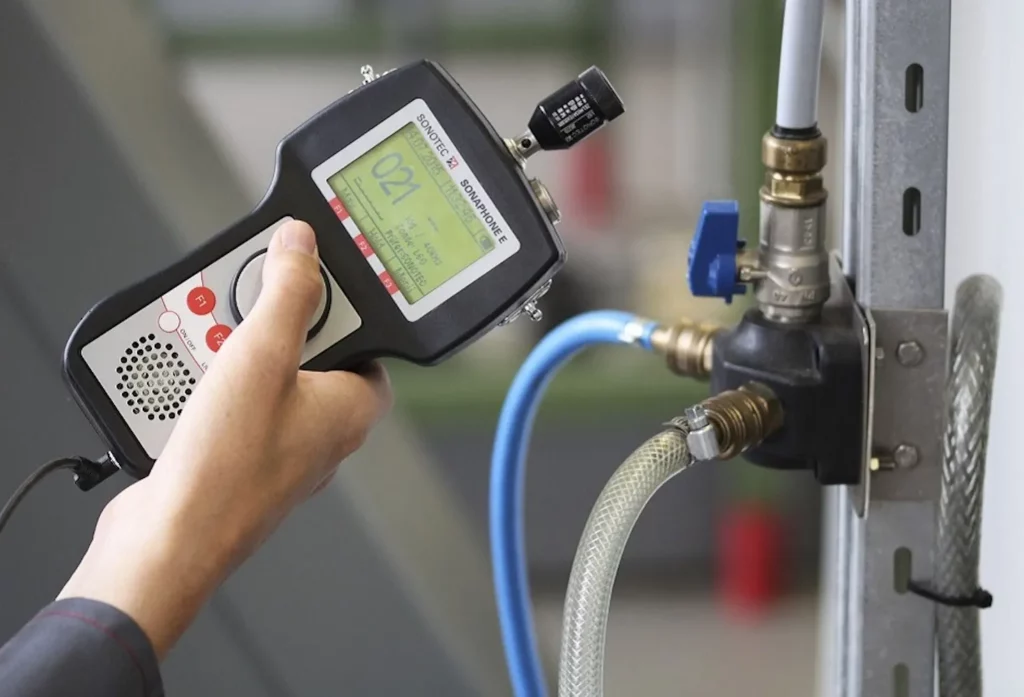
Water near the airing cupboard is not always the cylinder. Look-only checks that tell a cylinder leak from a pipe leak, what to switch off, and what never to touch before you call anyone.
The quickest way to tell is to look at where the water starts and whether it is hot. Water that is warm, and that forms on or runs down the cylinder itself, usually means the cylinder or its fittings. Water that is cold, or that appears away from the cylinder along a pipe run, a wall or a ceiling below, usually means a pipe. You can sort most cases into one or the other with your eyes and your hand, without opening, draining or unscrewing anything.
This guide is built around that idea: checks you can do safely by looking, a way to read what you find, and a clear line on when to switch things off and who to call. It also says what not to touch, because the most expensive mistakes with a cylinder are made by people trying to be helpful.
Safety first: what never to do
These rules come before any checking.
- Never open or drain an unvented cylinder. An unvented cylinder holds water under mains pressure, and the hot water in it can be well above 60°C. Opening a fitting or draining it can release scalding water and steam. If you do not know which type you have, treat it as unvented.
- Never touch, cap, block or tamper with the relief valve or the tundish. They are the safety devices. A dripping tundish is a symptom to report, never something to plug. Blocking the discharge defeats the safeguard that stops a pressurised cylinder from becoming dangerous.
- Anything electrical goes to an electrician. That includes the immersion heater, its switch and its wiring, the thermostat and the controls. Water near electrics is a reason to switch off at the consumer unit, not to investigate.
- Do not touch a wet cylinder, pipe or electrical fitting with wet hands or while standing in water.
- Do not climb into a loft with water around. If the leak looks like it is coming from the loft, look from the hatch.
If any of that sounds like a reason to stop and call someone, it is. Everything below is look-only.
Step 1: where does the water appear?
Start with the location, because it narrows things faster than anything else. Do not move anything yet; just look, and use a torch.
| Where you see water | What it points to |
|---|---|
| Running down the cylinder's side or pooling at its base | The cylinder or a fitting on it |
| Dripping from a pipe connection into or onto the cylinder | A union or valve, usually a fitting rather than the vessel |
| On the floor but the cylinder and its connections are dry | A pipe nearby, or water travelling from somewhere else |
| On the ceiling, wall or floor of the room below the cupboard | Either; keep going with the checks below |
| A steady drip from the pipe at the tundish or an overflow outlet | A pressure or valve problem, which is a cylinder-side fault |
A dry cylinder with wet floor around it is the key pattern. Water finds the lowest point and then spreads, so what you see on the floor is rarely where it starts. Look up and look along pipe runs before you decide.
Step 2: is the water hot or cold?
Hold the back of your hand near the wet area, or touch the water on the floor away from any electrics. Do not put your hand on the cylinder itself if it has been heating; it can be hot enough to scald.
- Warm or hot water points to the hot side: the cylinder, a hot pipe, or a heating circuit. It also steams in a cold cupboard.
- Cold water points to a cold feed, a cold tank in the loft, or a cold supply pipe running through the area.
- Lukewarm water that gets warmer when the hot water or heating is on suggests a leak on a pressurised hot or heating pipe.
Condensation can fool you. A cold pipe in a warm cupboard sweats, and a large, cold unvented cylinder with poor insulation can do the same. Condensation forms a film across the whole surface. A leak forms a path or a drip from one point. If the whole pipe is wet and nothing is dripping from a joint, ask whether it is condensation before you assume a leak.
Step 3: check the tundish and the overflow
This is the check people overlook, and for an unvented cylinder it is the most informative one. The tundish is the small, transparent-looking fitting on the discharge pipe from the relief valve, normally near the cylinder, with a pipe running on to a drain or outside. You are looking, not touching.
- Water dripping or running through the tundish means the cylinder is discharging. That is a fault in the pressure system, and it usually needs a cylinder engineer. Do not block the pipe.
- A dry tundish with a wet cylinder base suggests the water is coming from somewhere else, such as a union or the vessel.
- If your system has a vented cylinder, look instead for a cold-water tank in the loft with an overflow pipe outside the house. A dripping overflow means the float valve is letting too much water in. That is a different fault again.
A short discharge as the water heats can be a sign of expansion, but a tundish that runs continuously is a fault. Either way, describe what you saw to whoever you call and leave the fitting alone.
Step 4: wetness near the cylinder base versus along pipe runs
With the cupboard open and a torch, compare two things: the base of the cylinder and the pipe runs coming off it.
| What you see | More likely |
|---|---|
| Wet insulation or foam jacket, wet only at the lower half of the cylinder | A leak from the vessel or a lower connection |
| Drips from a joint on a pipe leaving the cylinder, cylinder otherwise dry | A fitting or pipe, not the vessel |
| Green or white crusting on a joint | An old, slow leak at that fitting |
| Rust streaks running down the cylinder wall, or a brown stain at the base | Corrosion; the vessel may be failing |
| Everything in the cupboard dry, damp patch in the room below | A pipe in the floor or ceiling, not the cylinder |
Do not strip off the insulation to look underneath. The metal under it can be hot, and removing it is not a look-only check. If the jacket is soaked, report that rather than taking it off.
Step 5: stains below
If the cupboard is dry, the evidence is somewhere else. Look at the ceiling beneath the cupboard, and the walls either side.
- A brown ring with a darker edge on a ceiling, growing slowly, is typically a long-running slow leak, often from a pipe.
- A sudden dark patch or a bulge in the plaster is more urgent, and suggests a larger or faster leak.
- A stain that grows only when the heating or hot water is on points to a hot or heating pipe; one that grows after you run a cold tap points to a cold supply.
- A stain that comes and goes with the weather may not be plumbing at all. It could be a roof or gutter problem. See damp patch on the ceiling: what to do.
If the stain is on a ceiling and the cupboard above is dry, the cylinder is probably innocent, and that is useful to know before anyone sells you a new one.
A quick way to check with the water meter
A water meter can separate a leak on the mains-fed pipework from one on the sealed heating circuit. Turn everything off, read the meter including the small dials, wait 30 minutes with no water used, and read it again. Our guide to reading your water meter to check for a leak explains the dials.
- The meter moves: mains-pressure water is escaping somewhere. That could be an unvented cylinder, a cold feed, or any pipe. It does not name the culprit, but it tells you the leak is on the mains-fed side.
- The meter does not move but the area stays wet or the boiler keeps losing pressure: the water is probably coming from the heating circuit, or the leak is too slow for the test. Our guide to a boiler losing pressure covers that route.
A vented system fed from a loft tank may not register on the meter in the same way, since its cold tank refills slowly. Do not rely on the meter alone with a vented system.
When to switch things off
You can reduce the damage without opening anything.
- If water is actively running, close the internal stop tap, usually under the kitchen sink. Our guide on finding and turning off your stop tap shows where to look.
- If the water is near the cylinder or anything electrical, switch off the immersion heater at the consumer unit, not at the wall switch with wet hands.
- If the heating is involved, turn the boiler off so it stops pushing hot water through a leaking circuit.
- Put a bowl or towels where water collects, move belongings, and photograph the damage for your insurer before you clear up.
Closing the stop tap stops new cold water entering an unvented cylinder, so the leak from the cylinder reduces as the stored water runs out. It does not make the cylinder safe to open. The stored water is still hot and, for an unvented cylinder, still pressurised.
Cylinder engineer or leak detection?
With what you have gathered, choose the route that matches the evidence.
| What you found | Who to call |
|---|---|
| Water on or at the cylinder, a discharging tundish, no hot water, a failed immersion, or rust at the base | A hot water cylinder engineer, such as London Cylinder Specialist, the cylinder division of London Leak Specialist |
| A dry cylinder with a stain, a damp wall or a wet floor and no visible source | Leak detection |
| The meter moves with everything off, but you can see no leak | Leak detection |
| A joint dripping on a pipe, within easy reach | A plumber, or detection first if the pipe is hidden |
| Not sure | Either, with your notes from the checks above |
Leak detection is the right call when the water is coming from somewhere you cannot see. We find hidden leaks in pipework with acoustic listening, thermal imaging and tracer gas, without lifting floors on a guess. Standard detection is £160 an hour, agreed before we travel, and if we attend a confirmed live leak and cannot find it, the detection time is not charged. The leak detection page explains how a survey works.
If the evidence points at the cylinder, a specialist will serve you better than a general call. London Cylinder Specialist has a more detailed guide on this, hot water cylinder leaking: find the source, which looks at the cylinder side of the same question.
What to tell whoever you call
A short, accurate description saves time and money on the visit. Have these ready:
- Where the water appears and when you first saw it
- Whether it is hot or cold
- Whether the tundish or overflow is running
- Whether the meter moves with everything off
- Whether the leak changes when the heating or hot water comes on
- The type of cylinder if you know it (vented, unvented, thermal store), and roughly how old it is
Photographs of the cupboard, the tundish and any stains are worth more than a long description.
How we help with this
If the article describes a problem you actually have, these are the visits that deal with it.
- leak detection in London
Finding a hidden leak without opening the property up first.
- central heating leak detection
For a boiler losing pressure or a circuit that will not hold.
- our full guide to leak detection
How each method works, what it costs and when it is the wrong tool.
Not sure which one applies? Describe the symptom on the phone and you will be told which survey it is, the hourly rate and roughly how long it takes, before anything is booked. 020 7123 8560
Frequently asked questions
How can I tell if my hot water cylinder is leaking?
Look for water running down the cylinder or collecting at its base, wet or rust-stained insulation, and dripping from the tundish. Warm water that originates at the cylinder points to the cylinder or its fittings. If the cylinder and its connections are dry, the water is probably coming from a pipe nearby.
Why is water coming out of the tundish pipe?
The tundish is the visible part of the discharge pipe from an unvented cylinder's relief valve. Water running through it means the cylinder is discharging, often because of a pressure or valve fault. Do not block or cap it. Note how long and how often it runs, and call a cylinder engineer.
Can I drain my hot water cylinder to stop a leak?
Not if it is unvented. An unvented cylinder is pressurised and holds very hot water, and draining or opening it can release scalding water. Close the stop tap to stop new water entering, switch off the immersion heater at the consumer unit, and call an engineer. Only an engineer should drain it.
How do I tell a leaking pipe from condensation?
Condensation forms an even film over a whole cold pipe or cylinder and does not drip from a single point. A leak makes a path, a drip or a stain that grows from one place. If the wetness appears with humid weather and wipes away, it is probably condensation.
Who do I call for a damp ceiling below an airing cupboard?
If the cupboard is dry, the cylinder is probably not the cause and the leak is in a pipe, which needs leak detection. If the cylinder or its fittings are wet, a cylinder engineer is the better first call. Our guide above shows how to tell the two apart by looking.
Should I turn the hot water off if I find a leak?
Yes, in a safe way. Close the internal stop tap, switch off the immersion heater at the consumer unit rather than the wall switch, and turn the boiler off if the heating is involved. Do not open or drain anything, and do not touch the relief valve or tundish.