Water Leak in the Garden or Driveway: Signs of an Underground Supply-Pipe Leak
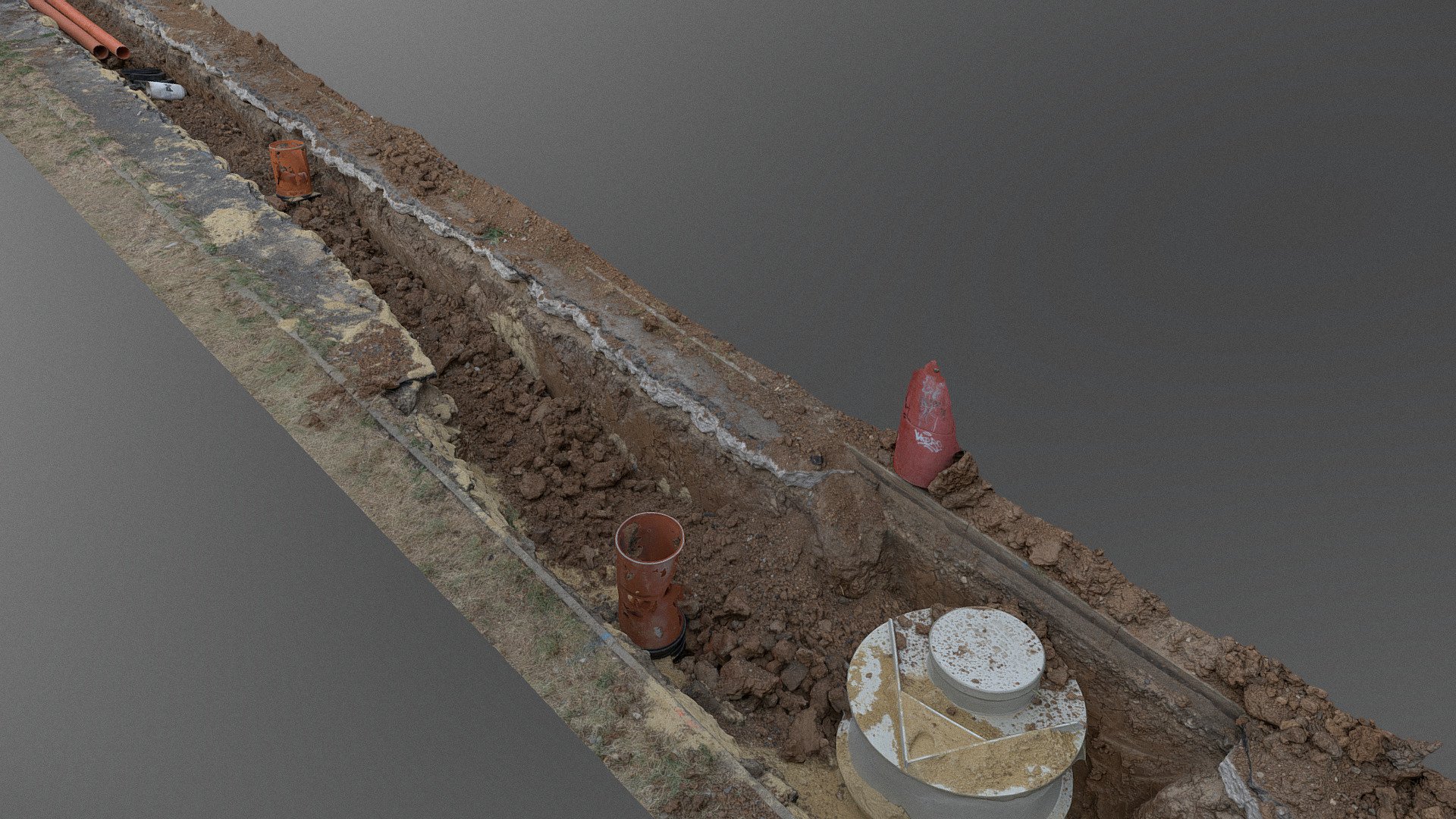
A patch of lawn that stays soggy in dry weather, water surfacing on the drive, or a meter that keeps ticking with every tap shut off. Here is how to read the signs of an underground supply-pipe leak, work out who is responsible, and have it traced without tearing up the garden.
An underground leak on your water supply pipe is one of the quietest problems a home can have. There is no dripping tap to point at and no ceiling stain to photograph. Instead the water escapes below ground, often a metre or more down, and the only clues are the ones the ground and your bills give away. In a London garden or driveway those clues are easy to miss for weeks, which is exactly why these leaks can waste a surprising amount of water before anyone acts.
This guide walks through the practical signs that point to a buried supply-pipe leak, explains the important boundary between the pipe your water company looks after and the one you own, sets out when a supplier will often help with a first external leak, and describes how a leak is traced acoustically so that only one small hole ever needs to be dug. The aim is to help you tell the difference between a harmless wet patch and a genuine underground leak, and to know what to do next.
What an underground supply pipe actually is
Your home is fed by a single pipe that runs from the water main in the street, under your boundary, across your garden or driveway, and into the property, usually surfacing near the kitchen sink or an internal stop tap. On older London homes this pipe can be lead, galvanised iron, or older grades of plastic. On newer or renewed properties it is typically blue MDPE plastic. Whatever the material, it sits underground for its whole length and is under mains pressure day and night.
Because it is pressurised constantly, even a pinhole leak pushes water out around the clock. A split at a joint, a corroded section of old lead or iron, or a stone pressing against the pipe over years can all create a slow escape. The water then follows the path of least resistance underground, which is why the wet patch on the surface is often nowhere near the actual leak.
The signs of a buried supply-pipe leak
No single sign proves there is a leak, but several appearing together make it very likely. The most common indicators fall into two groups: what you see in the garden or on the drive, and what you notice on the meter and the bill.
Signs in the garden or on the driveway
- Persistently wet or soft ground. A section of lawn, border, or path that stays damp or spongy even during a dry spell is a classic sign. Rain dries out; a leak does not.
- An unusually green or fast-growing patch. Grass fed by a constant trickle of clean mains water often grows greener and quicker than the lawn around it. In summer it can stay lush while the rest of the garden browns off.
- Water surfacing on the drive. On a driveway or paved area you may see a damp stripe that never fully dries, water weeping up between slabs or block paving, or a trickle appearing at a low point with no rain to explain it.
- Sinking, cracking, or lifting surfaces. Over time escaping water washes away the material supporting paving and tarmac. Slabs that rock, block paving that dips, or a hairline crack that keeps opening can all sit above a long-running leak.
- The sound of running water. In a quiet moment, particularly near the internal stop tap, a faint continuous hiss or trickle when no tap is open can point to water still moving through the pipe.
Signs on the meter and the bill
- The meter keeps moving with everything off. This is the single most telling test. Turn off every tap and water-using appliance, then watch the meter. If the dial or the last digit keeps creeping up, water is still flowing somewhere, and a buried supply pipe is a prime suspect.
- A drop in water pressure. When some of the supply is escaping before it reaches the house, taps and showers can lose pressure or flow, especially upstairs or when more than one outlet is running.
- Higher bills for no reason. A metered bill that climbs while your household use has not changed is a strong prompt to investigate. A steady underground leak adds usage every hour of every day.
- An estimated or actual reading well above normal. If your supplier flags unusually high consumption, or your own meter photos show a jump, treat it as a signal rather than a billing quirk.
Sign to what it suggests
| What you notice | What it may suggest |
|---|---|
| Lawn or border stays soft and wet in dry weather | Water escaping underground and rising to the surface nearby |
| A patch of grass much greener or taller than the rest | Constant clean-water feed from a slow leak below |
| Damp stripe or weeping water on the driveway | Leak tracking along the pipe run under the paving |
| Paving or tarmac sinking, rocking, or cracking | Escaping water washing out the ground beneath the surface |
| Meter still turning with every tap and appliance off | An active leak somewhere on the supply, often underground |
| Lower pressure or flow at taps and showers | Supply being lost before it reaches the house |
| Metered bill rising with no change in household use | Continuous water loss adding to consumption around the clock |
| Faint running-water sound near the internal stop tap | Water still moving through the pipe when nothing is in use |
A simple meter test you can do first
Before calling anyone, it is worth confirming that water really is being lost. If you have a water meter, the check takes a few minutes and gives you something concrete to report.
- Turn off every tap inside and outside, and make sure the washing machine, dishwasher, and any other water appliance is not running.
- Find the meter, usually in a boundary box near the pavement or in a chamber just inside the property, and note the exact reading including the small dials or final digits.
- Leave everything off for an hour or two, ideally when no one is using water, then read the meter again.
- If the reading has moved with everything shut off, water is escaping somewhere on your side of the meter.
To narrow it down further, turn off the internal stop tap that isolates the house, then watch the meter again. If the meter stops moving, the leak is likely inside the property. If it keeps moving with the internal stop tap closed, the leak is very probably on the underground supply pipe between the meter and the house. That single observation is genuinely useful and worth recording.
Who owns which pipe: the boundary that decides responsibility
This is where many homeowners get stuck, and it matters because it decides who pays. The pipework serving your home is split into two parts.
The communication pipe
The section that runs from the water main in the street up to the boundary of your property is called the communication pipe. This part belongs to your water company. If the leak is on the communication pipe, it is the supplier's responsibility to repair, and you should not be paying a private contractor to fix it.
The supply pipe
From the boundary onward, the pipe that crosses your garden or driveway and enters the house is the supply pipe, and that one is your responsibility as the property owner. Most garden and driveway leaks fall on this section, simply because it is the longest underground run and the part most affected by ground movement, tree roots, and ageing pipe material.
The boundary is therefore the dividing line. Knowing roughly where the leak sits relative to your boundary tells you which side of the fence, quite literally, the responsibility falls. If you are unsure how this split works in practice, our guide on who is responsible for an underground supply-pipe leak goes through it in more detail.
How professionals trace an underground leak before digging
If the leak is confirmed as yours and your water company will not cover the trace, the next question is how to find exactly where it is. This is the part that worries most people, because the mental image is of the whole garden or driveway being dug up to hunt for a pipe. In practice, that is not how a modern leak trace works.
Acoustic detection with a ground microphone
Water escaping from a pressurised pipe makes a sound. At the leak point it produces a characteristic hiss or rush, and that noise travels along the pipe and through the surrounding ground. A ground microphone, a highly sensitive listening device placed on the surface, lets a technician hear that sound. By moving methodically along the line of the pipe and listening at intervals, the point where the noise is loudest can be pinned down, which is the point closest to the leak.
Correlators for pinpoint accuracy
On longer runs, or where surface noise makes listening difficult, a correlator is used. Two sensors are placed at accessible points on the pipe, such as the internal stop tap and the external boundary box. The device measures the tiny difference in time it takes the leak sound to reach each sensor and, knowing the pipe material and distance, calculates where along the run the leak is. This can locate a buried leak to within a small margin, often close enough to mark a single spot on the surface.
Supporting methods
Depending on the site, a technician may add other non-invasive checks. Tracing gas can be introduced into an isolated pipe and detected where it rises to the surface. Thermal imaging can reveal temperature differences caused by escaping water. Pipe and cable locators map the exact route and depth of the pipe so the search follows the real line rather than a guess. Used together, these methods build a confident picture of where the leak is before anyone lifts a slab.
One small hole, not a dug-up garden
The whole point of tracing acoustically is that the digging is the last step and the smallest one. Once the leak is pinpointed, a single small excavation over the marked spot exposes the pipe at the right place, the repair is made, and the surface is reinstated. Compared with the old approach of digging along the pipe until the leak appears, a precise trace saves the lawn, the drive, and a great deal of mess and cost. You can read more about how this works in practice on our underground water leak detection in London page, and about the wider service on our leak detection London page.
What it typically costs
Prices vary with the site, the length of the pipe run, and how the repair is finally made, so treat any figure as a guide rather than a quote. As a rough steer, typical UK trade cost-guide ranges put a professional underground leak trace somewhere in the region of a few hundred pounds, with the repair itself and any reinstatement of paving or lawn charged on top depending on what is involved. A leak on an old lead or iron pipe may prompt a discussion about renewing the whole supply pipe rather than patching one spot, which changes the numbers.
Our own approach is designed to remove the guesswork. We work on a no find, no fee basis for tracing, so if we cannot locate the leak you are not charged for the search, and the hourly rate is fixed and agreed at the time of booking, so you know the rate before we arrive. That way the rate for finding the leak is settled up front, whatever the ground turns out to be hiding.
What to do if you suspect a leak
Pulling the steps together, a sensible order of action looks like this:
- Run the meter test with everything off, then again with the internal stop tap closed, to confirm water is being lost and to get a sense of whether it is inside or on the underground supply.
- Note the visible signs, such as soft ground, a green patch, or damp paving, and where they are relative to your boundary.
- Ring your water company. Ask whether the leak might be on their communication pipe, and whether they offer a first-leak repair scheme or any allowance on your bill.
- If the leak is confirmed as yours and not covered, arrange a professional acoustic trace so the exact spot is found before any digging.
- Keep the trace and repair separate in your mind: locating the leak accurately is what protects your garden or drive from being torn up.
An underground supply-pipe leak rarely fixes itself and only wastes more water the longer it runs. The good news is that the signs are readable once you know what to look for, the responsibility question usually has a clear answer, and modern acoustic tracing means the leak can be pinpointed and repaired through one small hole rather than a dug-up garden. Start with the meter, check the boundary, call your supplier, and take it from there.
How we help with this
If the article describes a problem you actually have, these are the visits that deal with it.
- underground water leak detection
Supply pipe leaks under drives, gardens and pavements.
- leak detection in London
Finding a hidden leak without opening the property up first.
- our full guide to leak detection
How each method works, what it costs and when it is the wrong tool.
Not sure which one applies? Describe the symptom on the phone and you will be told which survey it is, the hourly rate and roughly how long it takes, before anything is booked. 020 7123 8560
Frequently asked questions
How can I tell if the wet patch in my garden is a leak and not just rain or groundwater?
The clearest test is time and weather. Rain and normal groundwater dry out during a dry spell, whereas a supply-pipe leak keeps the ground soft and wet regardless of the weather. A patch of grass that stays greener or grows faster than the rest is another strong hint. To confirm, do the meter test: with every tap and appliance off, a meter that keeps moving means water is being lost somewhere on your side.
Who is responsible for a leak in my garden or driveway?
It depends on which side of your property boundary the leak sits. The communication pipe, from the street main up to your boundary, belongs to the water company. The supply pipe, from the boundary across your garden or drive and into the house, is the property owner's responsibility. Most garden and driveway leaks are on the supply pipe, but it is always worth checking with your water company first because the leak may be on their side.
Will my water company fix an underground leak for free?
Sometimes. If the leak is on the communication pipe in the street, the water company should repair it at no cost to you. Even where the leak is on your own supply pipe, many suppliers run a goodwill scheme that repairs or contributes to a customer's first external leak. Terms vary by company and change over time, so ring them and ask directly, including whether any allowance is available on the water charged while the leak was running.
Do you have to dig up the whole garden to find an underground leak?
No. A professional trace uses acoustic equipment, a ground microphone and often a correlator, to listen for the sound the escaping water makes and pinpoint the leak before any digging. Supporting methods such as tracing gas, thermal imaging, and pipe locators help confirm the exact spot. Once the location is marked, only a single small hole needs to be dug over the leak, which protects the lawn or driveway from being torn up.
How much does underground leak detection typically cost?
As a guide, typical UK trade cost-guide ranges put a professional underground leak trace in the region of a few hundred pounds, with the repair and any reinstatement charged separately depending on the site and pipe. We work on a no find, no fee basis for the trace and set a fixed hourly rate agreed at the time of booking, so you know the rate for finding the leak before we start.
What should I do first if I think I have an underground leak?
Run the meter test with everything off, then repeat it with the internal stop tap closed to see whether the loss is inside the house or on the underground supply. Note where the visible signs are relative to your boundary. Then ring your water company to check whether the leak is on their pipe and whether they offer a first-leak repair scheme. If the leak is confirmed as yours and not covered, arrange an acoustic trace so it can be located precisely before any digging.